I used a hard cooler for years. The kind that’s essentially a small chest freezer on wheels, rated for ice retention over multiple days, built to survive being driven over by a pickup truck. It did everything it was supposed to do. It also weighed eleven kilograms empty, took up half the trunk, required two people to move when full, and lived in the garage for weeks between uses because getting it out felt like a logistics operation.
The switch to a cooler bag wasn’t a deliberate decision. A friend brought one to a beach day and I noticed, around hour four, that the drinks were still cold and nobody had needed to manage ice. I borrowed it for a camping trip the following month. A few weeks later I owned one. The hard cooler has barely moved since.
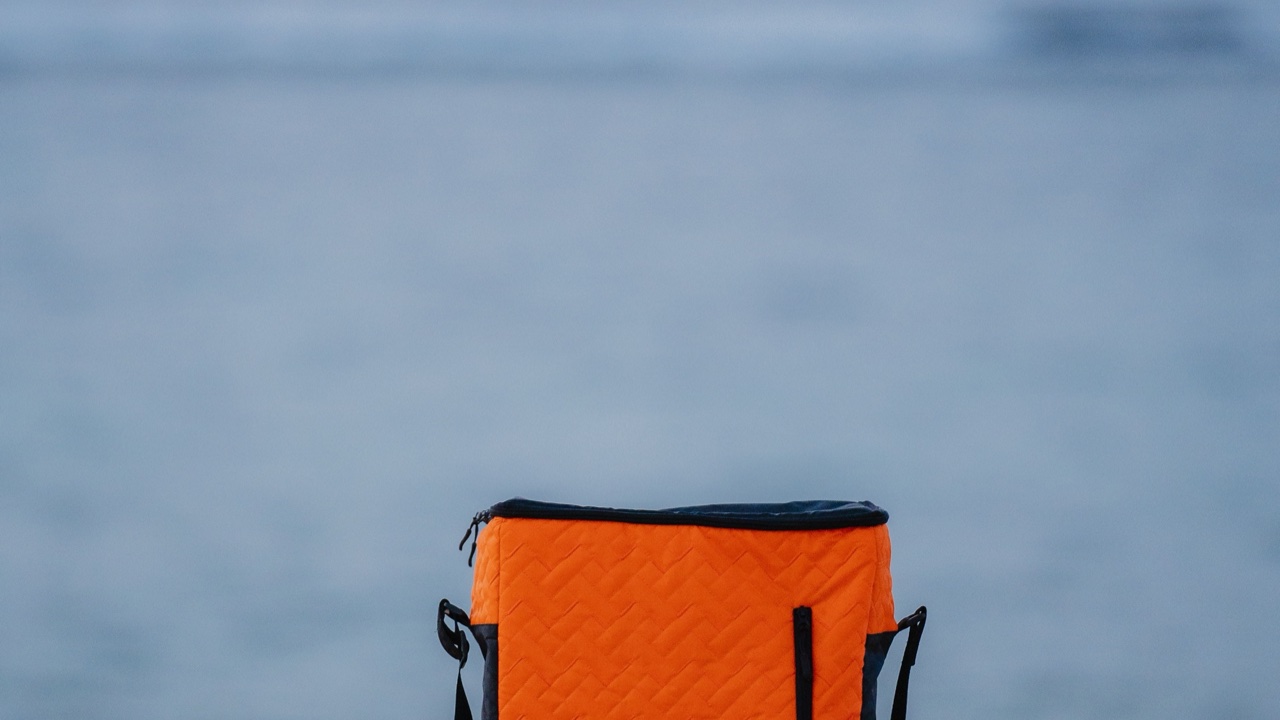
This is a pattern I’ve heard from a lot of people who spend time outdoors. The hard cooler isn’t gone — it still has specific use cases where nothing else works — but for most casual outdoor situations, the soft-sided insulated bag has become the practical default.
What Changed That Made Soft Coolers Actually Work
Soft coolers existed for decades before they became genuinely good. Early versions were glorified insulated grocery totes: a thin foam liner inside a nylon shell, useful for keeping beer marginally cooler than ambient temperature for about two hours. They earned a reputation as a poor substitute for the real thing, which was fair at the time.
What changed was insulation technology. Modern soft coolers use closed-cell foam insulation of a thickness and density that was previously reserved for industrial applications, combined with interior liners that reflect radiant heat and exterior fabrics that resist conduction. Some use vacuum-insulated panels — the same technology in high-end stainless steel drinkware — embedded in the walls. The result is soft-sided bags that can hold ice for twenty-four to forty-eight hours under real-world conditions, which puts them in a range that covers the overwhelming majority of casual outdoor use.
The other change was manufacturing quality applied to zippers and closures. The historic weakness of soft coolers was the seal — a poorly designed zipper or flap closure let cold air out much faster than a hard cooler lid. Modern designs use roll-top closures with waterproof backing, or heavy-gauge waterproof zippers originally developed for marine use. When the closure is engineered properly, the thermal performance of the bag holds up in a way that older designs couldn’t achieve.
The Weight Argument, Done Honestly
The appeal of a cooler bag is usually framed as a weight argument, which is correct but often stated incompletely. The bag itself is light — typically one to two kilograms for a twenty-to-thirty-liter bag — compared to five to fifteen kilograms for a hard cooler of similar capacity. That’s real.
But the fuller comparison is system weight: bag plus ice plus contents versus hard cooler plus ice plus contents. And here the comparison is more nuanced. Soft coolers generally require more ice per unit of contents to achieve the same retention time, because the walls, while effective, lose temperature faster than the thick plastic of a premium hard cooler under equivalent stress. So if you’re filling both to the same capacity and expecting the same performance, you’ll use more ice in the soft bag.
For most day trips and weekend outings, this doesn’t matter much. A twenty-four-hour outing with a quality soft cooler and a reasonable ice-to-contents ratio works fine. For a four-day camping trip in July heat where you need ice to last ninety-six hours, the hard cooler is still the better answer. The key is being clear about which situation you’re actually in.
Where Soft Coolers Genuinely Win
There are contexts where a soft cooler isn’t just acceptable but clearly better than a hard one.
Portability over distance. Any situation where you’re walking more than a hundred meters from a vehicle. A full hard cooler carried by two people across soft sand or uneven terrain is unpleasant. A soft bag with padded shoulder straps carried by one person is routine. For beach trips, trail access picnics, or any setting without vehicle access to the destination, this difference is decisive.
Urban and transit use. A cooler bag looks like a bag. It fits in an overhead compartment, under a seat, in a locker. It doesn’t require explanation or special handling. This makes it the obvious choice for any outdoor context that involves public transit, aircraft, or shared transport.
Frequent short outings. If you use a cooler multiple times a week — for farmer’s market runs, office lunches, after-gym drinks, impromptu park trips — the hard cooler creates enough friction that you probably don’t use it every time. A soft bag that lives in your car or by the door gets used because the barrier to deployment is low.
Boat and kayak use. Weight and shape flexibility matter in watercraft. A soft bag can be wedged into spaces where a hard cooler won’t fit, and its weight is lower at a time when every kilogram affects stability and paddling effort.
What to Look for When Buying One
The soft cooler category now ranges from genuine high-performance gear to inexpensive bags that barely qualify. Understanding what drives quality helps narrow the field.
Insulation thickness is the primary variable. Walls under an inch of closed-cell foam will not perform significantly better than older-generation products regardless of what the marketing claims. Walls of two inches or more with a quality liner start to deliver the retention times that justify buying one over a hard cooler.
Closure design matters almost as much. A roll-top with a proper waterproof backing retains cold better than a zippered top, though quality zippers with a waterproof rating perform well too. What to avoid is any closure that feels flimsy or relies on magnetic snaps as the primary seal.
Interior liner material determines cleanability and food safety. A welded TPU liner with no seams is easiest to clean and most resistant to odor retention over time. Cheaper alternatives are functional but accumulate odors faster.
For organizations and brands sourcing at scale — hospitality businesses, outdoor retailers, corporate gifting programs, promotional product buyers — the sourcing question is about consistency and certifications. A reliable bag manufacturer who can document food-contact liner certifications, provide insulation specifications rather than just marketing claims, and maintain quality across large production runs is a different tier from one who can only provide samples that test well individually.
The Reason the Hard Cooler Isn’t Going Away
There’s a legitimate version of the counter-argument. For serious camping where ice retention over multiple days is non-negotiable, for large groups where capacity needs exceed what any portable bag handles comfortably, or for situations involving vehicle transport with easy access, a quality hard cooler still makes sense. The best products in that category genuinely outperform soft bags on sustained thermal retention.
But for the majority of the situations where a cooler gets used — a day at the beach, a backyard gathering, a Saturday hike, a picnic in the park — the soft bag is lighter, easier to carry, easier to store, and more than capable of keeping things cold for the duration. That’s why it became the default. Not because it won on every metric, but because it’s good enough on the ones that matter most for how most people actually spend time outdoors.